
SOF IMO
SOF IMO (Science Olympiad Foundation International Mathematics Olympiad) helps students improve mathematical thinking, logical reasoning, and problem-solving skills through competitive exams and structured practice. In this section, you can explore SOF IMO syllabus details, class-wise preparation guides, sample questions, previous year papers, mock tests, Olympiad tricks, and topic-based study materials. Start with the IMO basics and important math concepts, then explore practice worksheets, reasoning questions, and exam preparation tips below. These resources are designed to help students build confidence and perform better in school-level and national-level Olympiad exams. You can also find exam patterns, important topics, preparation strategies, and time-management tips for different grades. A helpful SOF IMO category page makes it easier for students, parents, and teachers to discover the right learning resources and prepare effectively for the Olympiad exam.
SOF IMO
56 articles
SOF IMO 2026–27: Complete Guide to Dates, Syllabus & Preparation
The SOF IMO is one of the few school-level exams that tests how you think, not just what you’ve memorized. For students…
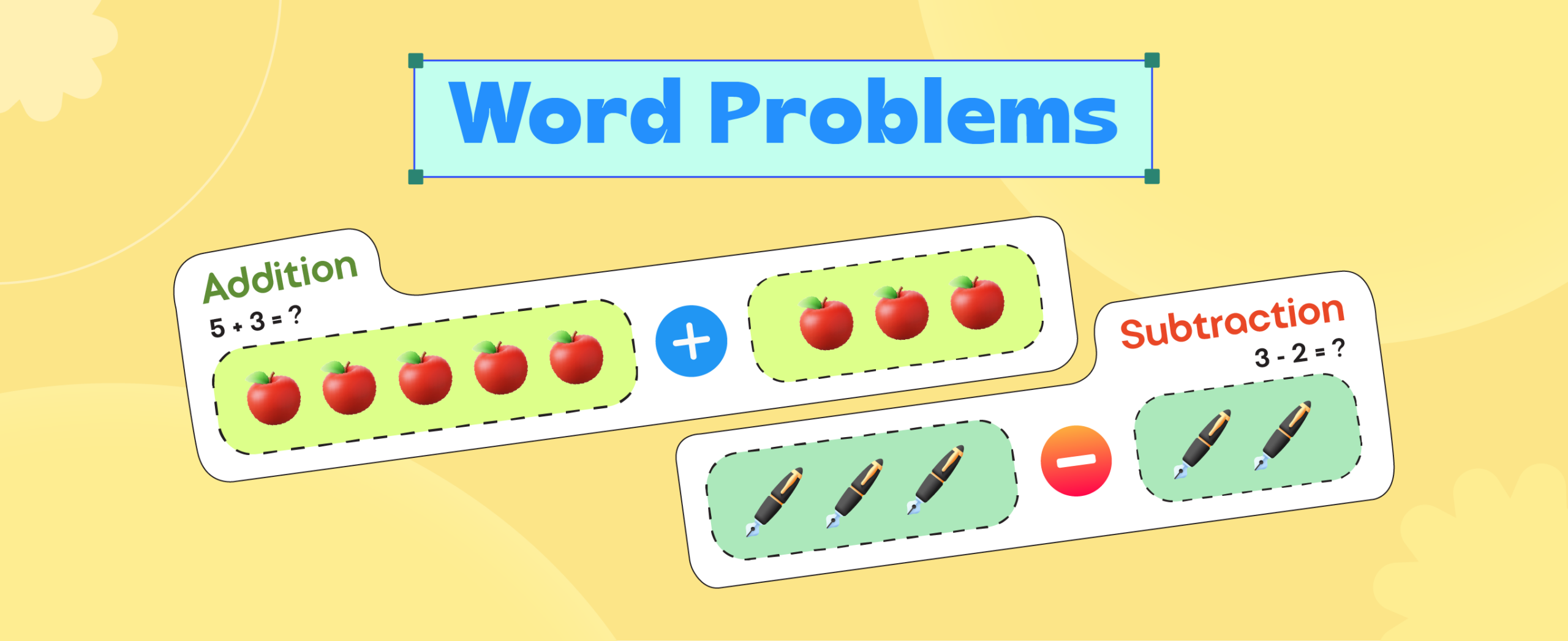
How to Teach Word Problems to Grade 1
Teach word problems to Grade 1 by using simple steps, concrete objects, and visual drawings to build understanding before focusing on numbersIf…

How to Solve Math Word Problems: When You Don’t Know Where to Start
To solve math word problems, read the problem twice, name the unknown as a number, translate one sentence at a time into…
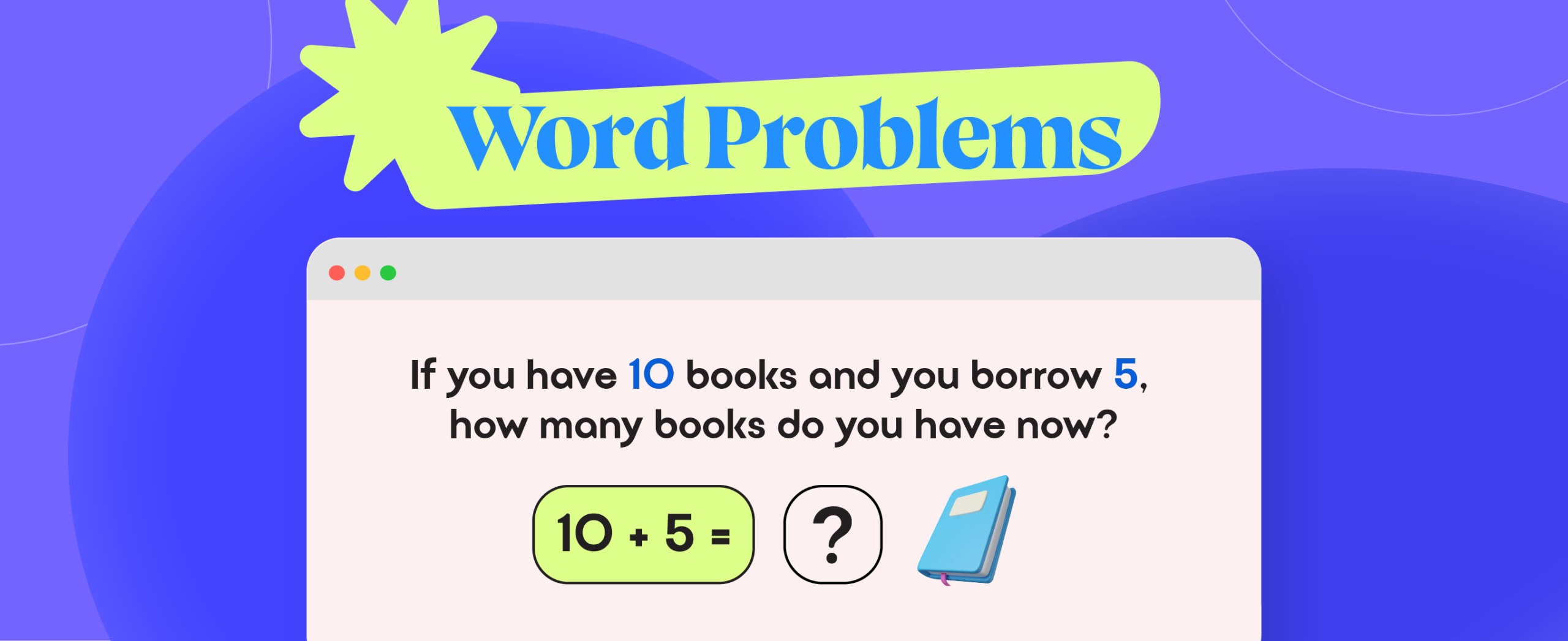
Story Sums for Class 1: Word Problems for Kids with Answers
Story sums for Class 1, also called word problems for kids, are short maths questions written as real-life stories. Instead of asking…
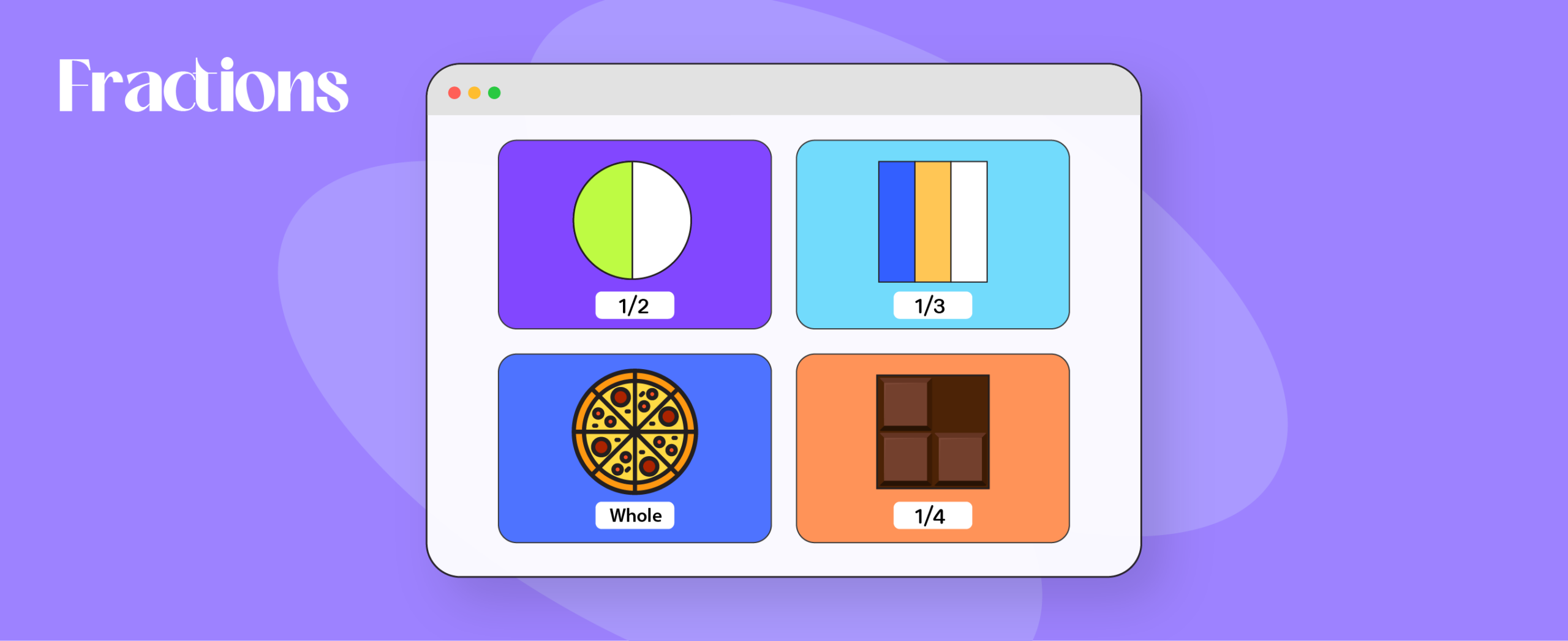
Fraction for Class 1: Definition, Examples & How to Teach
A fraction for class 1 (also called primary 1 in some curricula) is a part of a whole, and teaching it well…
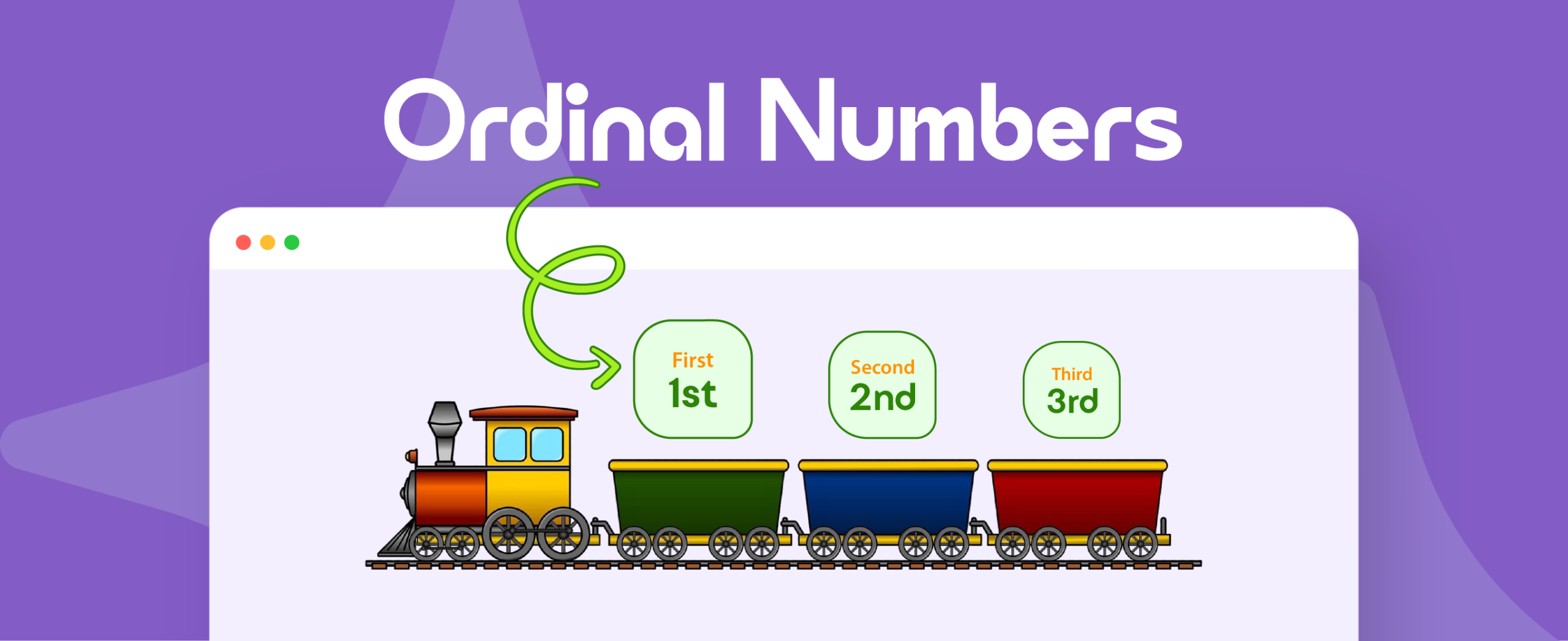
How to Teach Ordinal Numbers to Class 1 Students?
How to teach ordinal numbers to Class 1 students is straightforward when you use the right approach. Most children already use words…
