 January 26, 2026
 9 min. read

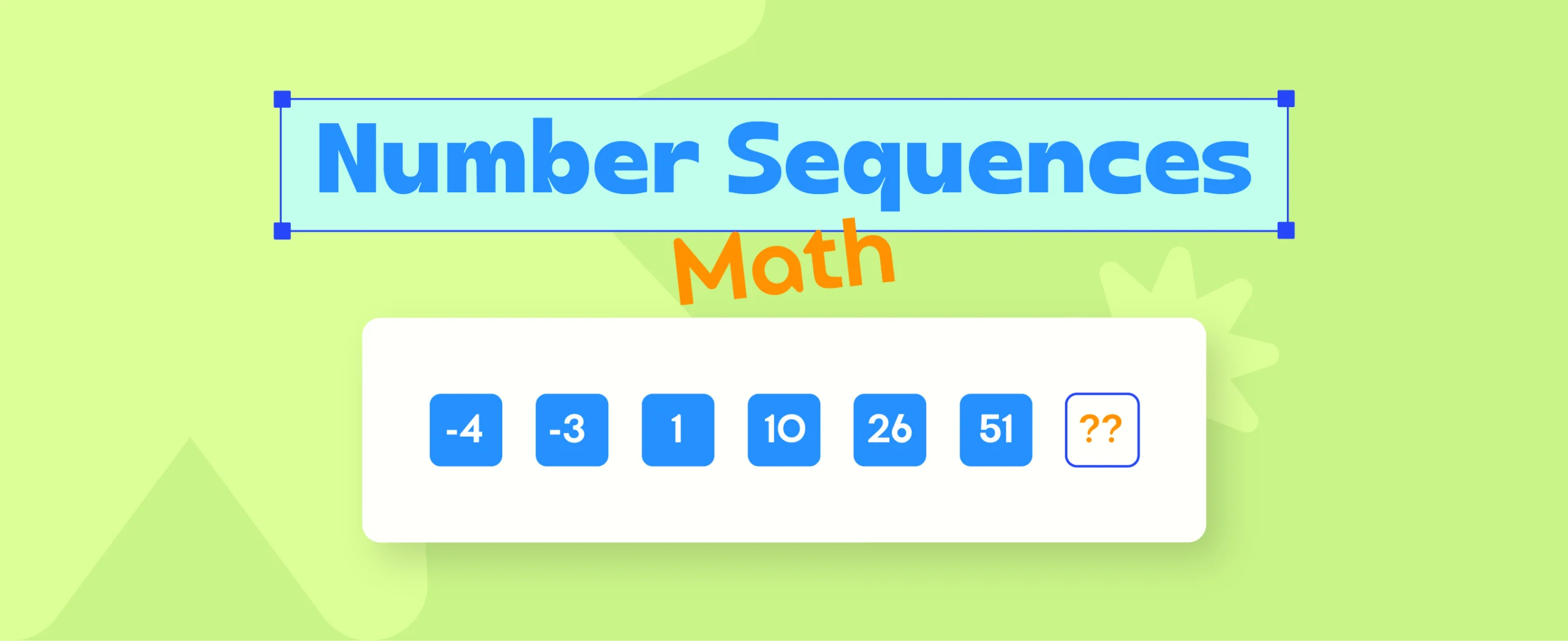
In Class 1 maths, a number sequence means knowing numbers in order. It also involves understanding what comes next and what comes before, like 1, 2, 3, 4, and 5.
Knowing the order of numbers helps kids understand that they represent more or less. This builds a strong number sense.
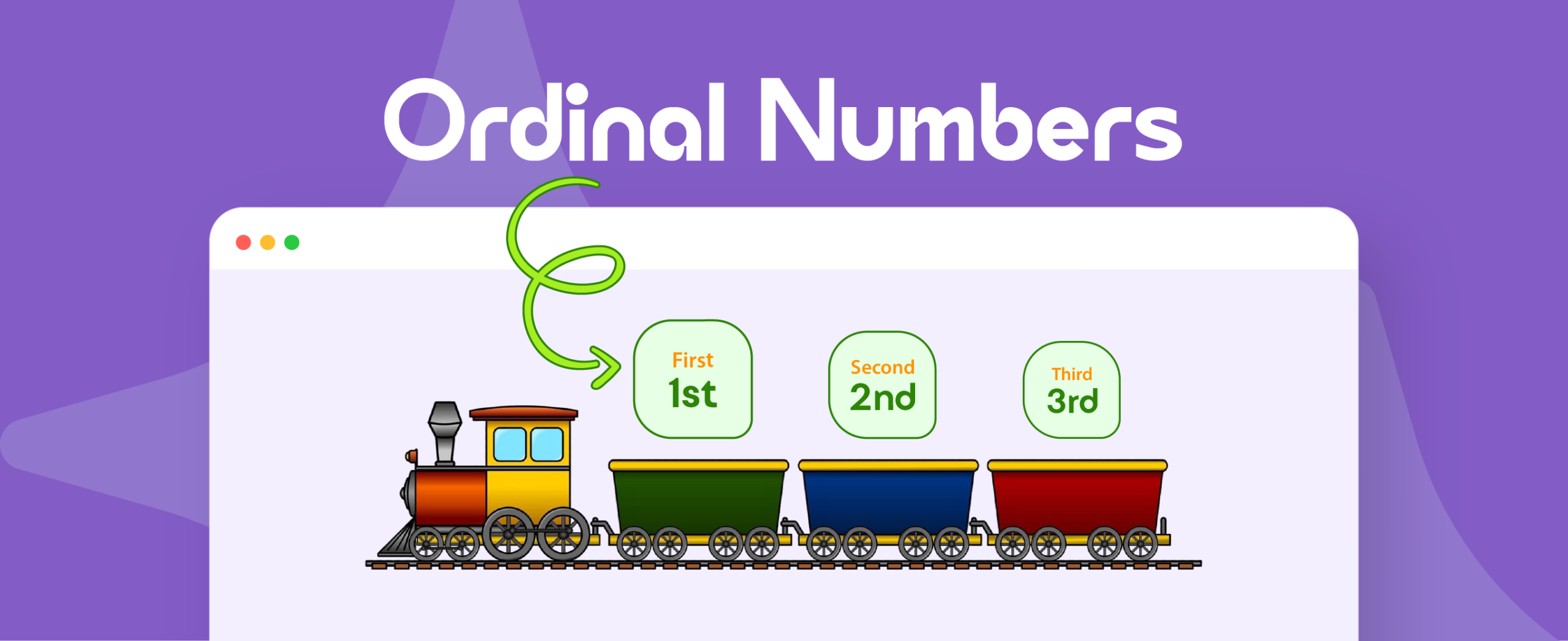
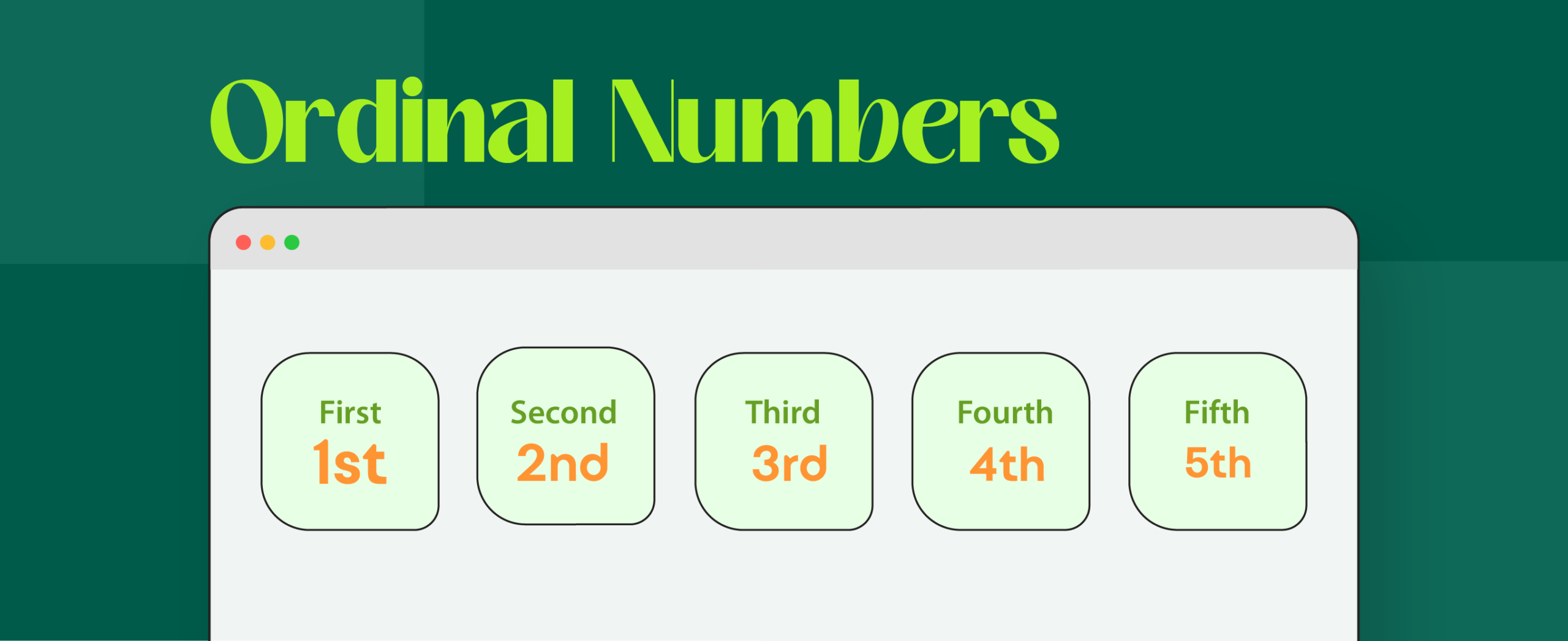
Children use number sequences daily. For example, they count toys, steps, pages, and days. Words like first, second, and third, which relate to ordinal numbers, often appear in games, too.
Mastering number sequences in Class 1 builds a strong basis for future maths.
What is a number sequence in simple terms?
A number sequence is a group of numbers that come one after another in the correct order.
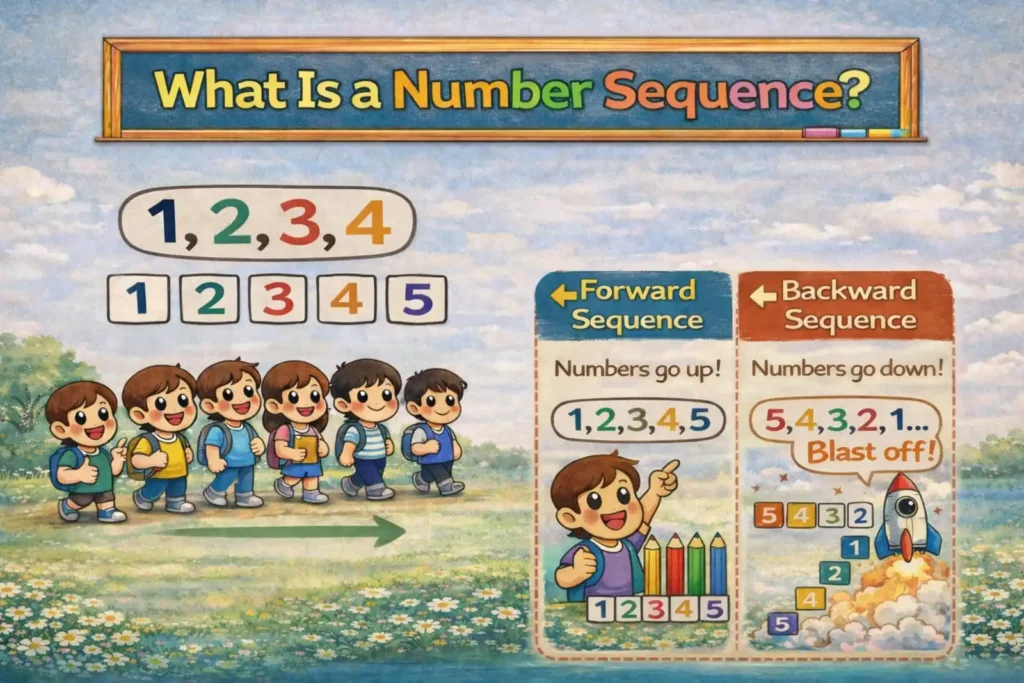
You can explain it to Class 1 children like this: “Numbers are like kids in a queue—1 is first, then 2, then 3.”
A number sequence is a list of numbers arranged in order. Each number has its own spot.
If the order changes—like 1, 3, 2—the sequence is no longer correct. In Class 1, children focus on learning forward sequences, such as 1, 2, 3, 4, 5, and backward sequences, like 5, 4, 3, 2, 1.
Understanding both helps children know what comes next and what comes before.
Simple spoken examples:
- Forward sequence: “Let’s count the pencils—1, 2, 3, 4, 5.”
- Backward sequence: “Let’s do a rocket countdown—5, 4, 3, 2, 1… blast off!”
These examples help kids understand number sequences clearly and in a fun way.
Types of Number Sequences in Class 1 Maths
In Class 1 maths, kids learn different number sequences. This helps them understand order, patterns, and relationships.
These sequences help students develop a strong number sense. They are getting ready for addition, subtraction, and problem-solving.
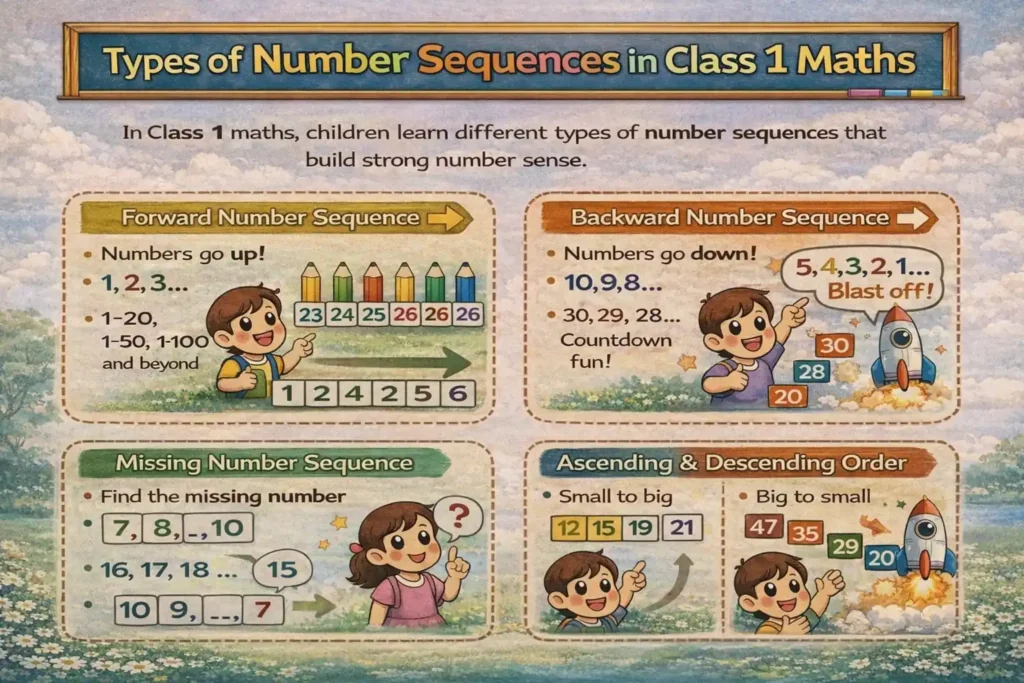
Forward number sequence:
This means counting numbers in order, where each next number is one more than the previous one, like 1, 2, 3, 4, 5.
In Class 1, children usually practise counting within 1–20, then extend to 1–50 or 1–100.
They also learn to start from numbers other than 1, for example, 23, 24, 25, and 26, to strengthen counting skills.
Backward number sequence:
This means counting numbers in reverse order, like 10, 9, 8, 7, 6. Understanding the backward number sequence is an important skill for Class 1 students. Class 1 students enjoy practising short countdowns, like 10 to 1 or 20 to 1.
They also use smaller ranges, such as 30 to 20. They often learn through games and fun “blast off” activities.
To understand why backward counting matters for early maths development, it helps to see how it directly supports subtraction skills later on.
Missing number sequence:
In this type, one or more numbers are hidden, and children must find the missing number.
Simple examples include 7, 8, __, 10 (answer: 9) or 10, 9, __, 7 (answer: 8).
These activities build logical thinking and are closely related to skip counting, where children learn to identify number patterns by jumping in equal steps.
Ascending and descending order:
Ascending order means arranging numbers from smallest to largest, such as 12, 15, 19, 21. Descending order means arranging numbers from largest to smallest, like 47, 35, 29, 20.
You can explore ascending and descending order in detail to understand how this concept is taught in Class 1.
Learning both helps children compare numbers and understand how values increase or decrease. For hands-on practice, looking at examples of ascending and descending order can make the concept much clearer.
This also ties directly into ordering numbers, which is a key skill children develop alongside number sequences.
Together, these number sequences form the foundation of Class 1 maths learning.
Why is the number sequence important for Class 1 students?
Number sequences are key in Class 1 maths.
They lay the groundwork for almost all early maths skills. Knowing number order helps kids understand numbers and how they connect.
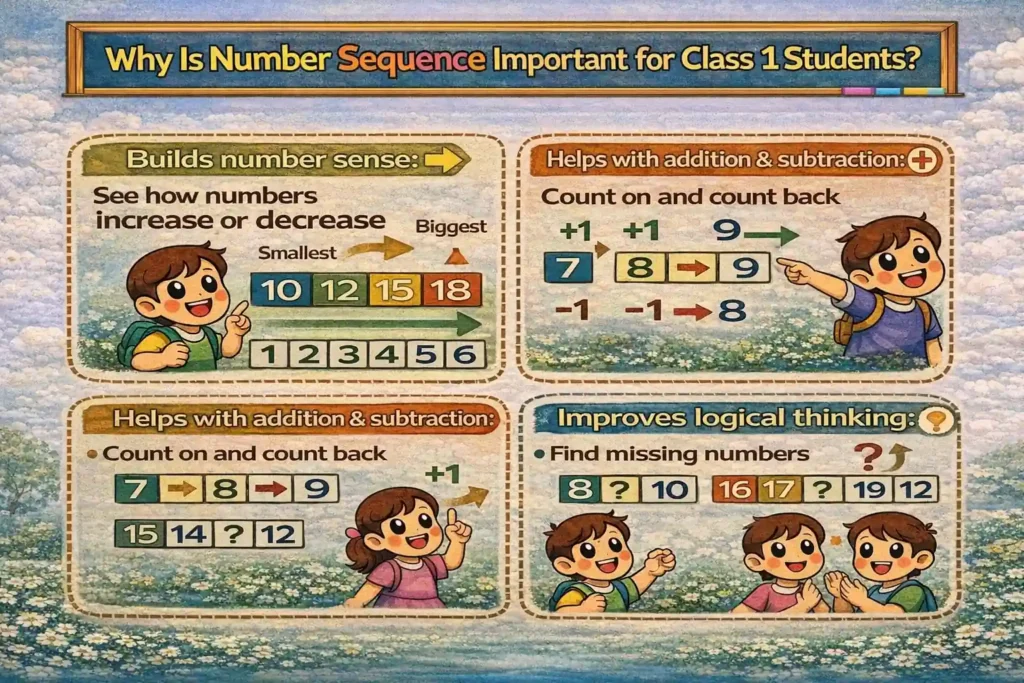
Builds number sense:
When children line up numbers from small to big or big to small, they notice patterns of increase and decrease.
Understanding why number sense is important for Class 1 students shows how deeply it connects to number sequences and long-term maths ability.
Learning concepts like before, after, and between helps kids compare numbers. For example, it shows why 18 is greater than 12.
Helps with addition and subtraction:
A strong grasp of number sequences allows children to count on and count back using a mental number line.
This helps with early addition and subtraction. For example, you can solve 7 + 1 by moving one step forward. To solve 9 − 1, move one step backwards in the sequence.
Improves logical thinking:
Working with number sequences helps children develop logical and pattern-thinking skills.
Finding missing numbers, spotting mistakes, and arranging numbers help children learn rules. It also teaches them to check if their answers make sense.
Number sequences are key to building confidence and success in Class 1 maths.
Number Sequence Examples for Class 1
Mixing written, oral, and visual examples helps Class 1 students grasp number sequences.
This approach builds their confidence in practising number order.
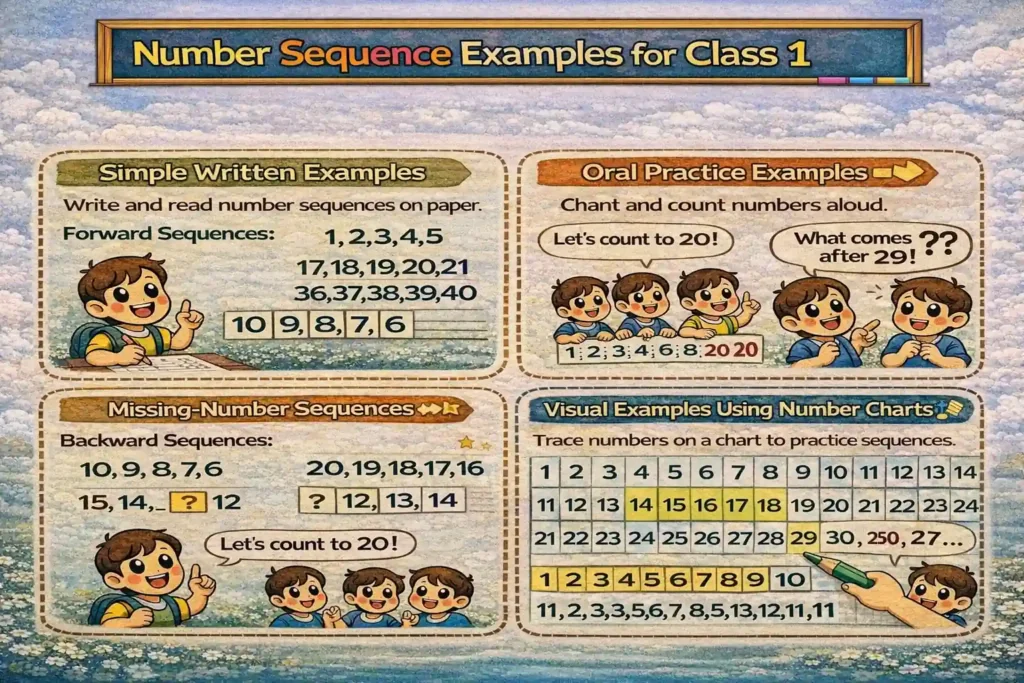
Simple written examples:
Written practice helps children see patterns in paper.
- Forward sequences: 1, 2, 3, 4, 5; 17, 18, 19, 20, 21; 36, 37, 38, 39, 40
- Backward sequences: 10, 9, 8, 7, 6; 20, 19, 18, 17, 16
- Missing-number sequences: 5, 6, __, 8, 9; 12, 13, 14; 15, 14, __, 12
These exercises help children practise what comes next and what comes before.
Oral practice examples:
Oral counting builds fluency and confidence.
- Choral counting: “Let’s count from 1 to 20 together,” then “Now count backwards from 10 to 1.”
- Start from the middle: “Start at 9 and count up to 15,” or “Start at 20 and count back to 15.”
- Quick questions: “What comes after 29?” “What comes before 50?” “Which number is between 17 and 19?”
Visual examples using number charts:
Number charts make sequences easy to see.
- Trace forward sequences on a 1–50 or 1–100 chart, such as colouring 11 to 15.
- Trace backward sequences, like 30, 29, 28, 27, and 26.
- Cover one number and ask children to find it: “24, 25, __, 27—what’s missing?”
- Colour a full row (like 1–10 or 11–20) and read it forwards and backwards aloud.
These examples help Class 1 students understand number sequences clearly and get involved.
Fun Activities to Learn Number Sequences
Fun, play-based activities help Class 1 kids learn number sequences. They turn number order into movement, games, and daily practice.
These activities make learning natural, engaging, and easy to remember.
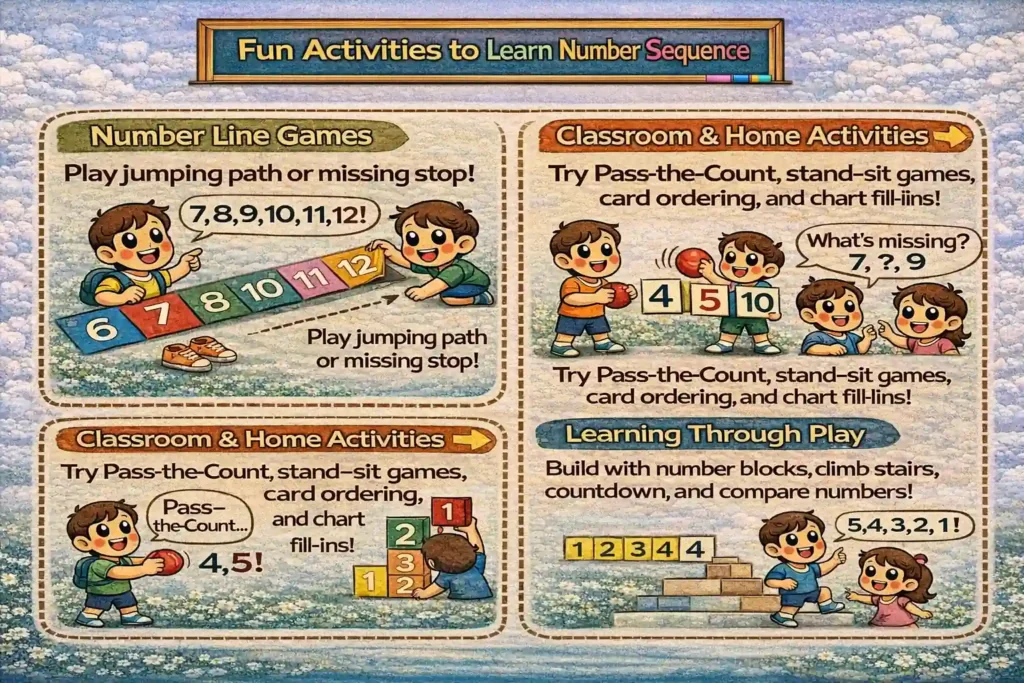
Number line games:
A floor number line is great for learning number order.
Children can play on a jumping path. They start at a number, like 7, and jump to another, like 12. As they jump, they count aloud: “7, 8, 9, 10, 11, 12.”
They can also jump backward to practise reverse sequences. In the missing stop game, cover one number on the line.
Then, ask the children to identify the hidden number by looking at the numbers around it.
Classroom and home activities:
Games like Pass-the-Count help kids practise sequences out loud. One child says a number, and the next continues the sequence.
They can start from different points or even count backwards.
Stand–sit games help kids improve listening skills. They stand only when numbers from a specific range are called.
At home, you can also try easy skip counting activities that reinforce number patterns playfully. Arranging number cards from smallest to biggest and filling in a 1–50 or 1–100 chart also helps with number order.
For more structured ideas, teaching forward and backward counting with simple household games is a great starting point for parents.
Learning through play:
Play-based learning makes number sequences stick.
Children can connect blocks while counting up or down. They can build towers in numerical order.
They can use everyday moments, like stairs and countdowns, to practise sequences naturally.
Games that compare and order numbers help kids spot patterns and have fun. These fun activities make number sequences real and meaningful for Class 1 students.
Common Mistakes Children Make with Number Sequences
As Class 1 students learn number order, it is normal for them to make a few predictable mistakes.
These errors suggest that children are building number sense. They often get better with practice.
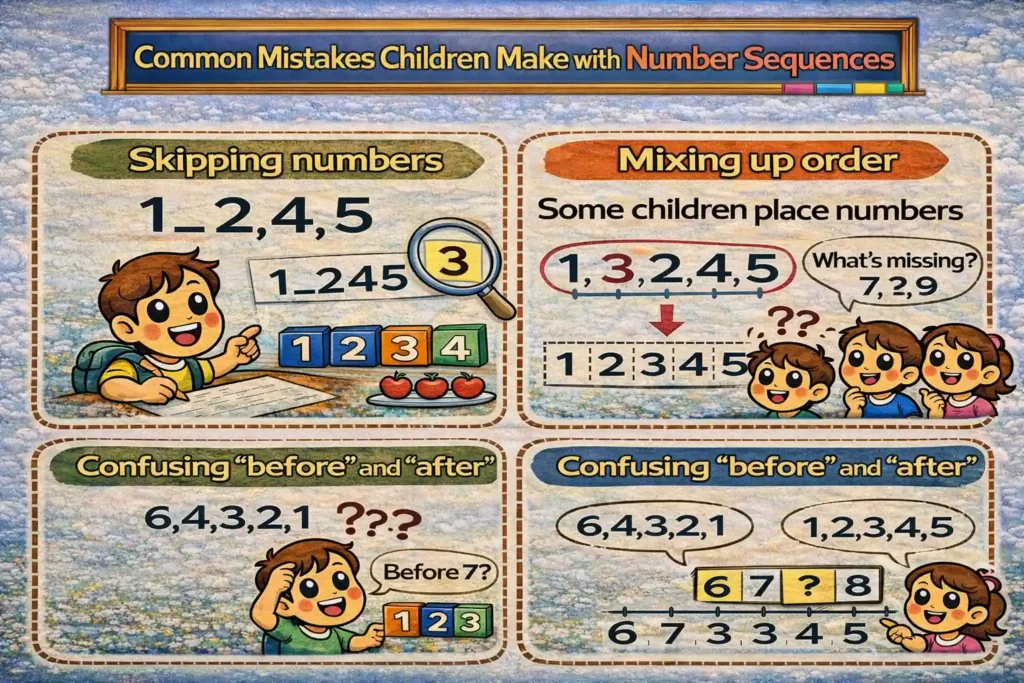
Skipping numbers:
Children may skip numbers, such as writing 1, 2, 4, 5 instead of 1, 2, 3, 4, 5. This often happens when they rush or haven’t fully grasped the idea of “one more.”
Counting slowly with objects can help reinforce each step in the sequence.
Mixing up order:
Some children place numbers in the wrong order, like putting 3 before 2.
People find it easier to count forwards than to remember exact positions. This is true, especially for backward or mixed sequences.
Practicing with number lines and counting out loud helps keep the order right.
Confusing “before” and “after”:
Children may mix up questions such as “What comes before 7?” and “What comes after 7?”
This shows they need more practice linking each number to its neighbours. Using visual aids and everyday examples helps to anchor numbers on a mental number line.
With gentle guidance and regular practice, these common mistakes fade away. Children grow more confident with number sequences.
Tips for Parents to Practice Number Sequences at Home
Parents can boost Class 1 number skills with simple, quick activities every day.
A few minutes of relaxed practice each day make a big difference.
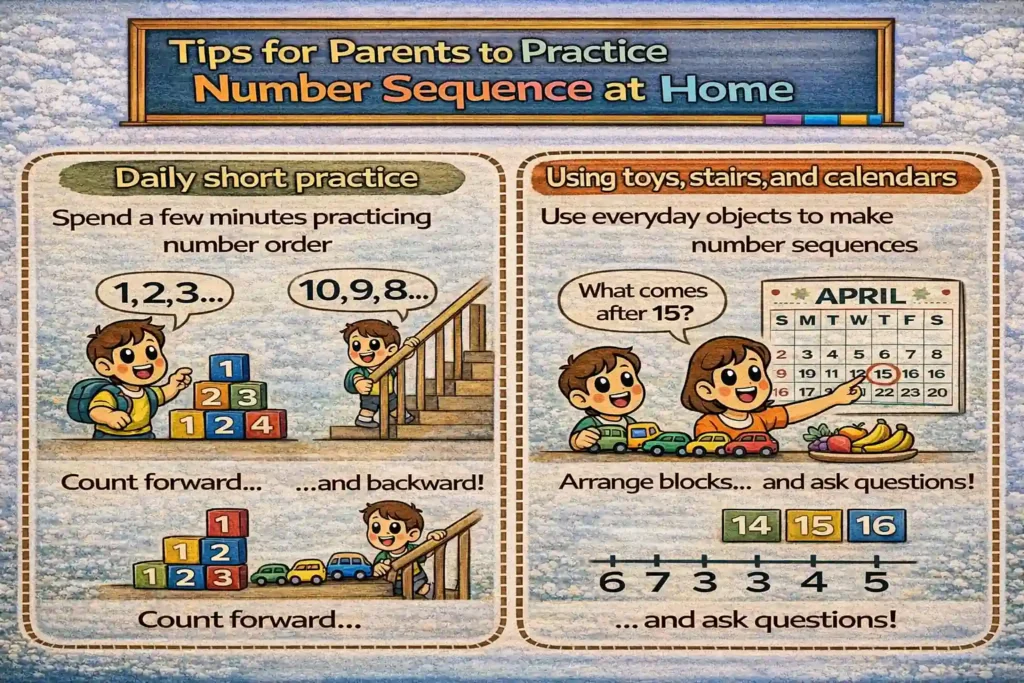
Daily short practice:
Spend 2–3 minutes practising number order during routine moments.
Count forward while going up stairs (1, 2, 3…) and backward while coming down (10, 9, 8…).
Short, regular practice helps children remember sequences without feeling tired or bored.
Using toys, stairs, and calendars:
Use everyday objects to make number sequences meaningful. Arrange toys or blocks from smallest to biggest, or count how many there are in each group.
Point to dates on a calendar and ask questions like “What comes after 15?” or “What comes before 10?”
Children can ask for fruit or spoons during meals. They should say the number sequence out loud.
Turning daily routines into number games helps kids learn number sequences in a fun way.
Simple worksheets and practice ideas.
Simple worksheets help Class 1 students practise number sequences easily and without stress. These activities reinforce number order and build confidence through short, focused tasks.
For a more detailed approach, following a structured lesson plan for number sequences can help teachers and parents organise practice sessions effectively.
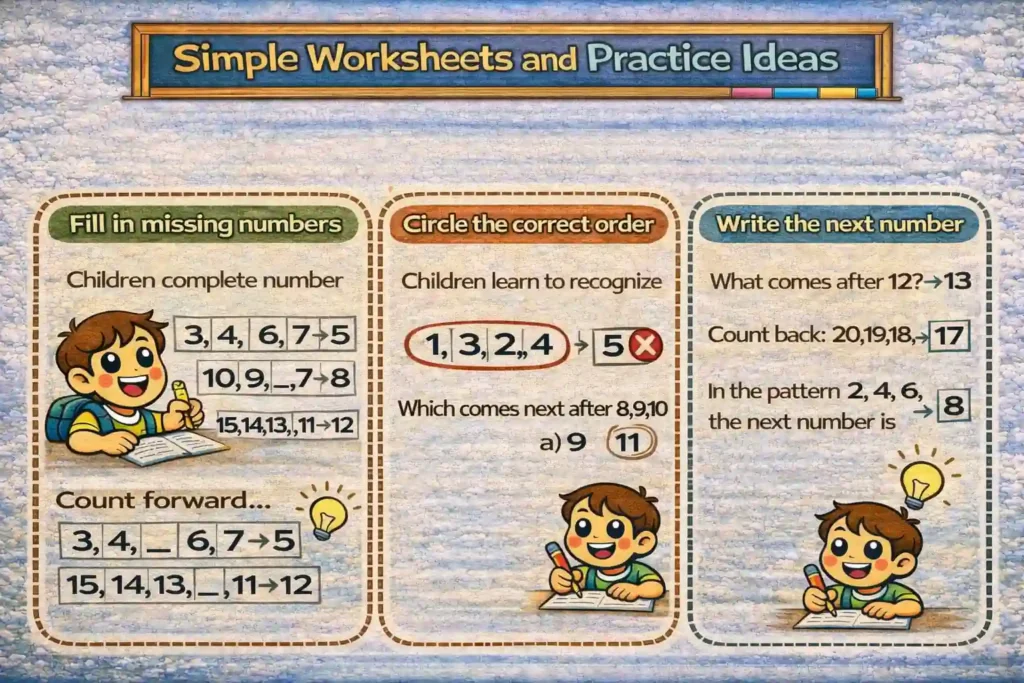
Complete the number sequences: Kids identify what comes next or before.
- 3, 4, __, 6, 7 → 5
- 10, 9, __, 7 → 8
- 15, 14, 13, __, 11 → 12. These exercises help to improve skills in counting forwards and backwards.
Circle the correct order:
Children learn to recognise correct and incorrect sequences.
- Circle the right sequence:
- 1, 3, 2, 4 → incorrect
- 5, 4, 3, 2 → correct (backward counting)
- Which comes next after 8, 9, 10?
- a) 9 b) 11
Write the next number:
Writing practice helps children apply what they know.
- What comes after 12? → 13
- Count back: 20, 19, 18, __ → 17
- In the pattern 2, 4, 6, the next number is 8
If you want to go further, exploring how to teach number sequences step by step using patterns and visual tools gives both teachers and parents a practical framework.
These simple worksheets help young learners practise number sequences. They make learning easy and fun.
Make Preparing for Math Olympiad Simple!



Conclusion
Doing number sequences often in Class 1 helps children grow their number sense.
Kids learn the order of numbers by spotting what’s before, after, or between them in quick activities. This makes learning easier. This builds their confidence and helps them succeed in higher maths classes.
To take this learning further, explore how to teach number sequences to Class 1 students with proven classroom strategies that make the topic engaging and easy to grasp.